Mon to Sat: 09:00 am to 06:00 pm

Mon to Sat: 09:00 am to 06:00 pm
•
802 workers died in 713 workplace accidents across
Bangladesh in 2025, up from 758 deaths in 2024 (Safety and Rights Society
survey).
•
The construction sector alone recorded 120 of those
deaths in 2025.
•
Falls from height and electrocution together account
for the large majority of construction fatalities in the country.
•
A 2019 government survey found only about 40% of new
buildings in Dhaka fully complied with the Bangladesh National Building Code
(BNBC).
•
Legal penalties for safety violations remain low, so
the real push for safer sites has to come from company policy, not just the
law.
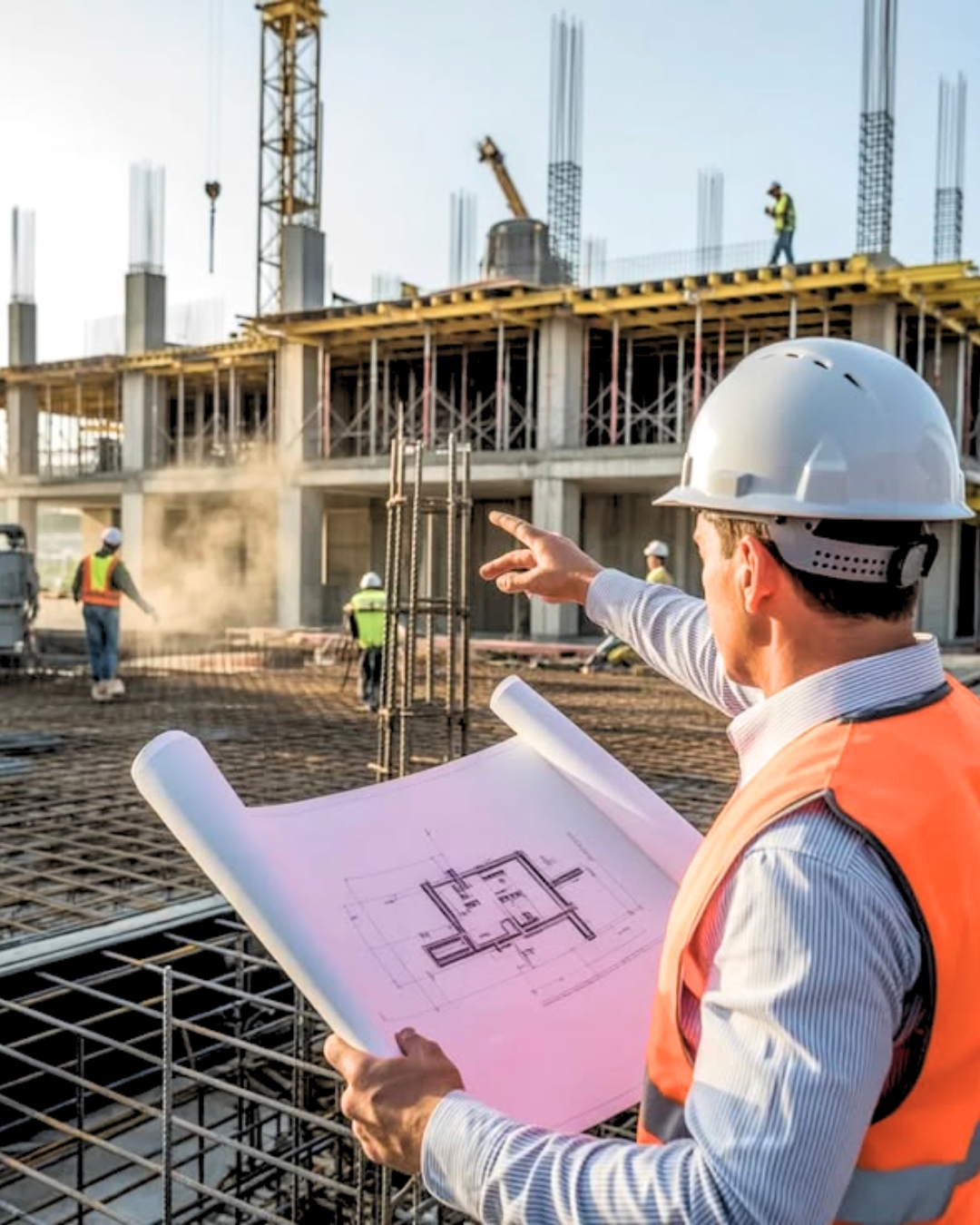
Construction site safety is the
set of practices, training, and controls that stop workers from getting hurt or
killed on the job — fall protection, electrical safety, proper scaffolding, and
clear rules for heavy equipment. In Bangladesh, it matters more than most
places realise.
The country's construction
industry is growing fast and employs a large share of low-income and migrant
workers, many hired informally through labour contractors rather than directly
by the builder. Safety oversight from RAJUK, the Department of Inspection for
Factories and Establishments (DIFE), and the BNBC exists on paper, but
enforcement on the ground is uneven. That gap means individual contractors end
up carrying most of the real responsibility for keeping their sites safe.
For developers and project
managers, safety isn't something to hand off to a site supervisor and forget.
It shapes your budget, your schedule, and whether skilled workers and
subcontractors want to come back for your next project.
A safety programme that
actually holds up on a Bangladeshi job site runs on three connected layers:
hazard identification, worker training, and daily enforcement.
•
Hazard identification should happen before work
starts. A site-specific plan should flag fall risks around open floor edges and
lift shafts, electrical hazards from temporary wiring, and heavy equipment
zones — based on the actual site layout, not a copy-pasted generic checklist.
•
Worker training has to account for a workforce
that often has low literacy and little formal safety education. Toolbox talks
work better than manuals here — short, spoken, task-specific briefings before
risky work like scaffolding, height work, or electrical connections, repeated
as crews rotate.
•
Enforcement means daily site walks, a clear
stop-work authority for any worker who spots a hazard, and follow-up when the
same violation keeps happening.
Firms that build safety into
RCC and steel structure projects from the planning stage tend to see this pay
off directly. Mahir Construction,
a Dhaka-based Construction Company working on commercial and industrial builds since
2020, treats safety protocols as a standard part of its project process rather
than something bolted on later — a structure worth studying if you're setting
your own site safety standard.
In the US, OSHA fines do a lot
of the deterrent work. In Bangladesh, the Bangladesh Labour Act 2006 sets far lower penalties — many contravention fines fall in the range of a
few thousand to around 25,000 taka — and a separate OHS enforcement body for
construction still hasn't fully taken shape. That means fines alone won't stop
an unsafe site.
The real cost shows up
elsewhere. A serious accident can trigger a RAJUK or Department of Environment
stop-work order that halts the whole project during an investigation. It can
end a relationship with a client who now sees your site as a liability. It can
also mean compensation claims from a worker's family, and skilled labourers who
simply won't come back to a site where they don't feel safe — which matters in
a market where good masons and steel fixers are already hard to retain.
Field studies and fatality
records consistently point to the same two causes: falls from height and
electrocution, which together account for roughly 86% of construction deaths in
the country. Struck-by incidents and structural or trench collapses make up
most of the rest.
•
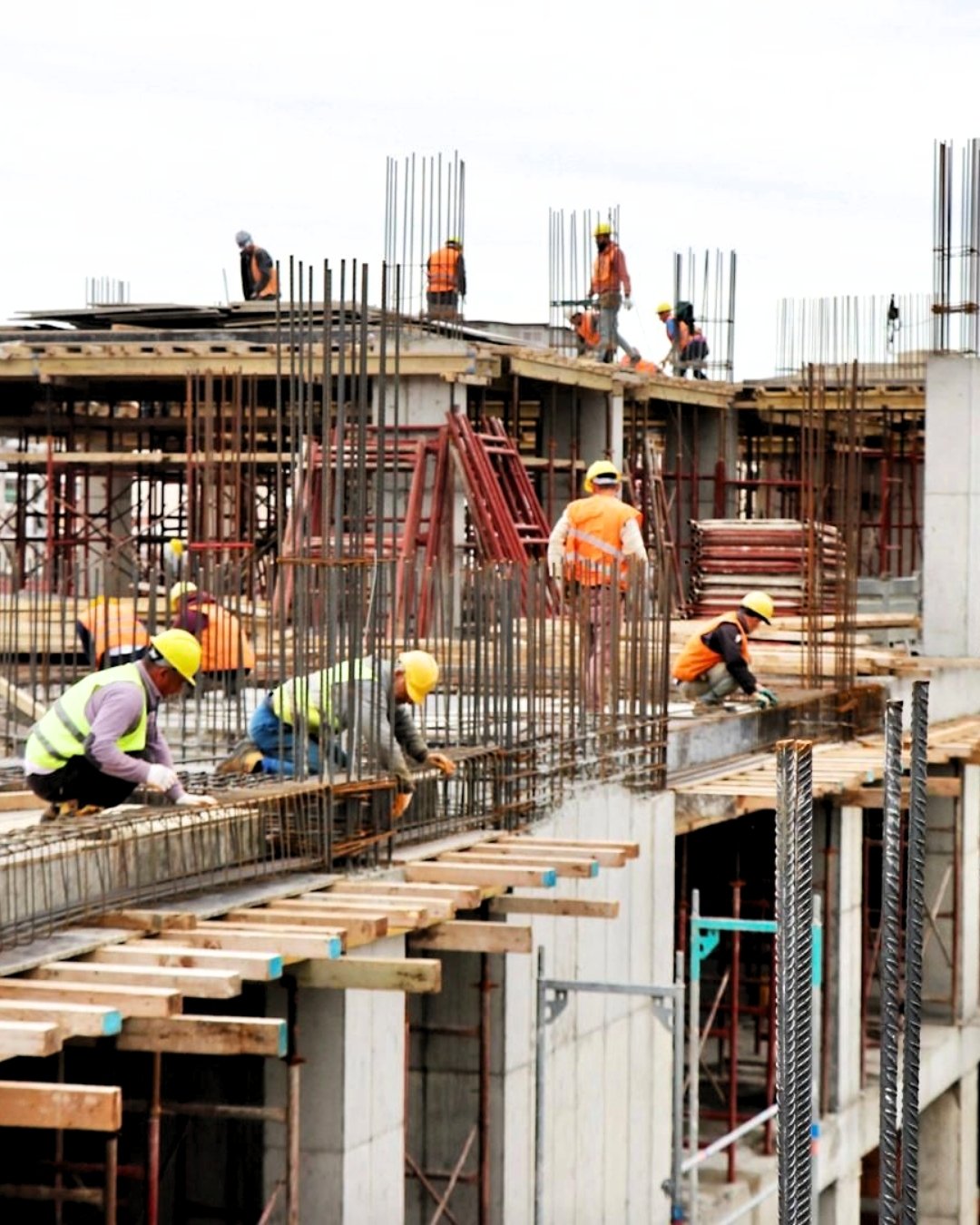
Falls from height — caused by open floor edges, weak or
missing scaffolding, and working at height without harnesses. Prevented with
guardrails, proper scaffolding inspection, and mandatory harness use above a
set height.
•
Electrocution — caused by temporary wiring, contact
with overhead lines, and faulty tools. Prevented with insulated cabling,
grounding, and keeping cranes and hoists clear of power lines.
•
Struck-by incidents — falling tools, materials, or
debris, and swinging loads from cranes or hoists. Prevented with hard hats,
exclusion zones under lifting operations, and secured storage for materials at
height.
•
Structural collapse and caught-in/between — unshored
trenches and unauthorised or poorly designed structures. Prevented with proper
shoring, adherence to BNBC design standards, and qualified engineering sign-off
before pouring.
•
Treating safety briefings as a one-time thing: a
briefing given only when a worker is hired loses relevance fast as tasks and
crews change. Repeat it, especially before new or risky work.
•
Skipping daily hazard walks: a site looks
different every day as work progresses. A quick walk-through each morning
catches new risks — an unshored trench, a loose scaffold plank — before they
cause an injury.
•
Assuming day labourers and subcontractors will
follow their own safety rules: on most Bangladeshi sites, a large share of
the workforce is hired informally through labour sardars rather than directly.
The main contractor is still the one whose name is on the site, so one safety
standard should apply to everyone on it.
•
Ignoring BNBC requirements to save time or cost: with
roughly 6 in 10 new Dhaka buildings not fully compliant, cutting corners on
code is common — but it's also where structural and fire-safety failures start.
Falls from height and
electrocution are the two leading causes, together responsible for around 86%
of construction fatalities, according to fatality data compiled from
Bangladesh's Occupational Safety, Health and Environment Foundation (OSHE) and
the Safety and Rights Society.
The Safety and Rights Society
recorded 120 construction-sector deaths in 2025, part of a wider total of 802
workplace deaths across all sectors that year — up from 758 in 2024.
Independent researchers note the real figures are likely higher, since the surveys
rely on newspaper reporting rather than a mandatory national reporting system.
Responsibility is split across
RAJUK (building approvals and fire safety clearances), the Department of
Inspection for Factories and Establishments (labour and workplace safety), and
the Department of Environment. In practice, the main contractor carries most of
the day-to-day responsibility, since enforcement visits are infrequent and
cover only a fraction of active sites.
Not usually. A stop-work order
after an accident, a compensation dispute, or losing an experienced crew
mid-project causes far more delay than daily hazard checks and proper
scaffolding ever would. The upfront time cost of doing it right is smaller than
the cost of one serious incident.

0 comments